Ilm al-mīqat


Dhul Qa’dah Moon Sighting Program
Based on astronomical calculation, the crescent will not be visible anywhere on Earth on the 29th of Shawwal (19th of May), hence it shall complete the 30 days and the month of Dhul Qa’dah will begin on Saturday regardless of sighting. The Sunnah however, is to implement the act of Moon Sighting and to recite the corresponding Du’aa. Therefore we will still have the program if weather permits In shāʾ Allāh.
🗓 Event Postponed Due to Weather
📍Western Hills Community Park
1437 Rolling Rd., Catonsville, MD 21228
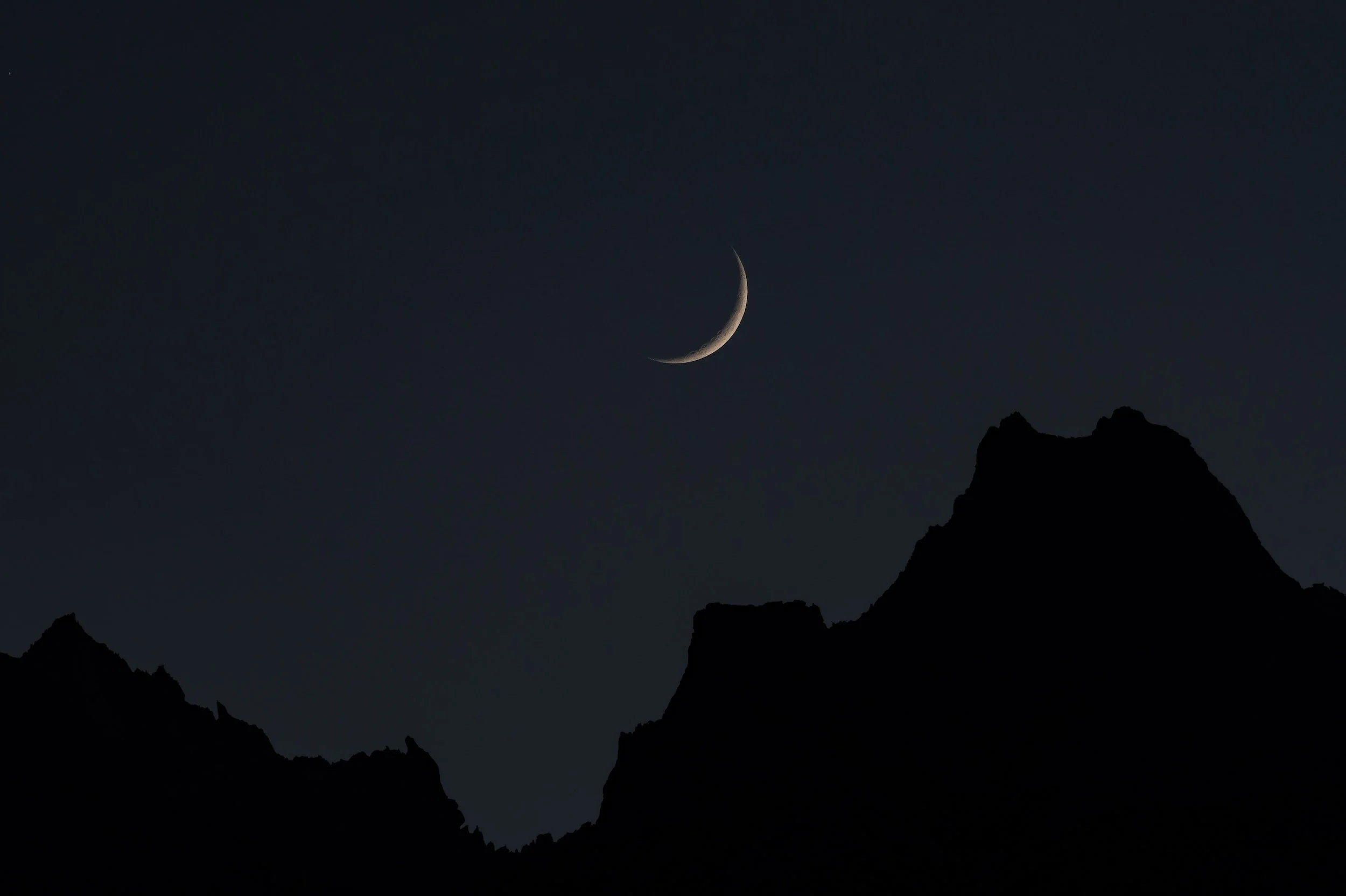
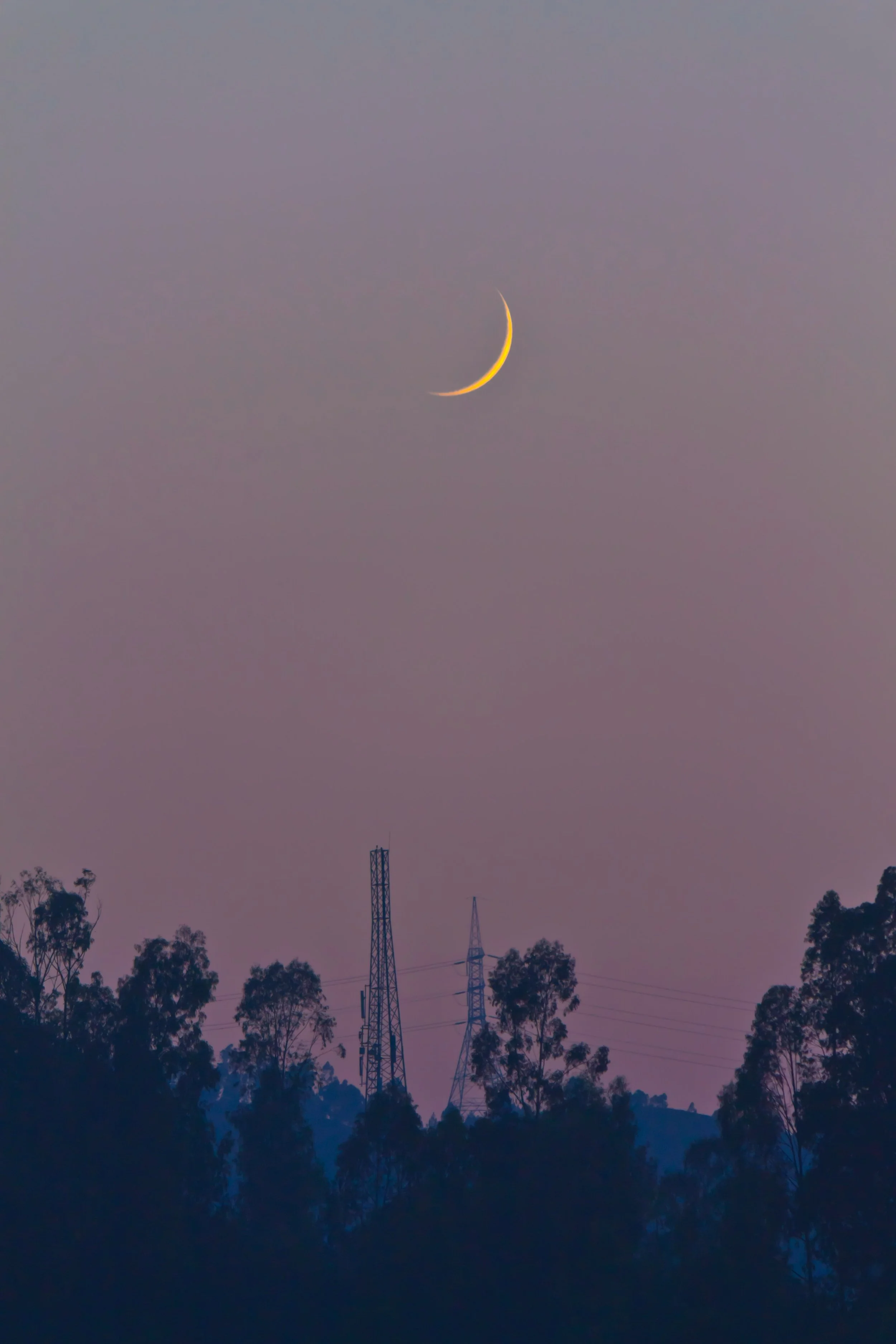
🌙 Moon visibility info: The scheduled moonset is at 9:47pm with illumination at 1.4%. In shāʾ Allāh if the weather is clear we should be able to view the Hilal with ease.
Please find Additional Info related to Moon Visibility etc here:
Sacred Timekeeping: An Islamic Legacy
By House of Qur'an
Introduction:
At House of Qur'an, our primary objective is to impart the essence of the prophetic tradition to our students, ensuring the preservation of the Islamic identity among the next generation of Muslims in America, and fostering the expansion of the Islamic ethos. Central to this legacy is the practice of sacred timekeeping, which finds its roots in a divine statement revealed during the late Madani period. As stated in the Qur'an, "Indeed, the number of months ordained by God is twelve - in God's record since the day He created the heavens and the earth" [9:36]. The Hijri calendar, established during the caliphate of Umar with the consensus of the Companions, commemorates the Sacred Emigration of the Prophet Muhammad ﷺ from Mecca to Medina. This longstanding tradition endures even today, with over fourteen centuries having passed and the moon having completed more than 51 million rotations around the Earth, while the divine system remains unchanged.
The Significance of Crescent Sighting:
Within the Islamic tradition, the sighting of the crescent holds paramount importance in determining the advent of a new month. This practice not only establishes a connection with the celestial realm but also engenders a sense of order within ourselves as we observe the universe surrounding us. Regrettably, contemporary realities hinder many individuals from witnessing the night sky in its full splendor. Light pollution, smog, and various other factors have deprived us of engaging with a significant sign of God's divine presence. However, the Qur'an contains numerous verses dedicated to astronomy, emphasizing the pursuit of this field as a means to seek and understand God. Islam has historically maintained a profound connection with the cosmos. The Prophet Muhammad ﷺ himself would contemplate the night sky each evening while reciting the Qur'an. Subsequently, Muslim scholars became pioneers in the fields of astronomy and cosmology, recognizing the majesty of God in every step of their explorations.
The Paradox of Modern Times:
Ironically, despite possessing the capability to explore the universe with greater depth than ever before, humanity has chosen to remain fixated on screens and other distractions, detached from the marvels of the natural world.
Challenges in Crescent Sighting:
While the birth of the new moon and its precise rotation can now be accurately predicted, the visual aspect, which is emphasized in Hadith, remains unpredictable due to weather conditions and cloud cover. Visual observation plays a critical role in maintaining the self-correcting nature of the Islamic calendar. Consequently, six months of the year are observed as 29-day months, while the remaining six are observed as 30-day months. This system relies on Muslims worldwide actively engaging in moon sighting each month. This responsibility holds sacred significance, as numerous Islamic practices, such as Ramadan and Hajj, are dependent on the lunar calendar. Consequently, scholars classify this duty as Fardh Kifayah (communal obligation), wherein each community requires individuals to fulfill this responsibility; otherwise, the entire community bears accountability in the divine court.
Controversies and the Prophetic Tradition:
Presently, disputes regarding moon sighting and calculation persist. However, one point of agreement remains: the search for the Hilal (crescent) is a sunnah (practice) of the Prophet Muhammad ﷺ. At House of Qur'an, our mission is to revive and cultivate love and appreciation for the profound and invaluable tradition of Islam, perpetuating the legacy of the Prophet Muhammad ﷺ. As the Prophet himself declared, "He who has revived my tradition has loved me, and he who loves me will be with me in paradise" (Tirmidhi).
“The difference between the average person and the one who is skilled in recognizing the crescent is like the difference between an ordinary person and an expert in archery.”
— Sunan ibn Majah